Blockchain
Blockchain for Land Records: Lessons India Can Learn from Sweden, Georgia, and the UAE
Blockchain for Land Records: Lessons India Can Learn from Sweden, Georgia, and the UAE
Blockchain for Land Records: Lessons India Can Learn from Sweden, Georgia, and the UAE

Introduction: What India Can Learn from Global Blockchain Land Registries
What India Can Learn from Global Blockchain Land Registries is an important policy question at a time when India is actively modernizing its land administration systems. Land disputes, unclear titles, and fragmented databases continue to affect India’s real estate and agricultural sectors. While blockchain technology offers a promising solution, successful implementation requires practical insight, not just theory. Countries like Sweden, Georgia, and the United Arab Emirates have already experimented with or deployed blockchain-based land record systems. Studying these case studies provides valuable lessons for India’s policy makers, technologists, and regulators as they consider large-scale reform.
Why Blockchain for Land Records Matters
Before examining global examples, it is important to understand why blockchain is being considered for land records in the first place. Traditional land registries often suffer from manual errors, inconsistent databases, corruption risks, and slow processing times. In countries with complex ownership histories, these problems multiply.
Blockchain introduces immutability, transparency, and decentralized verification. Each property transaction is time-stamped and permanently recorded. Once validated, it cannot be altered without consensus. This creates a secure chain of ownership that reduces fraud and increases trust.
For India, where property disputes make up a significant share of civil litigation, the benefits could be transformative. But implementation must be tailored to local legal and administrative realities.
Case Study 1: Sweden – Gradual Integration with Existing Systems


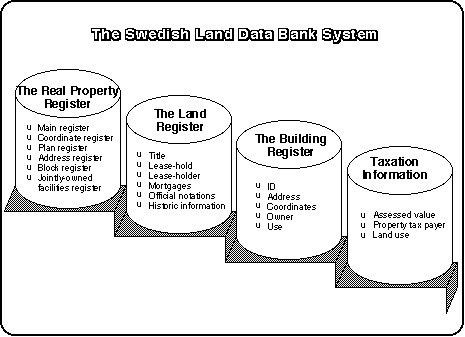
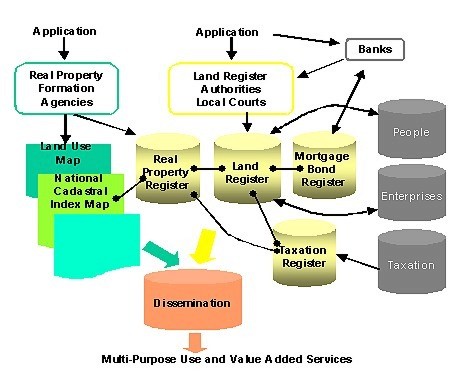
Sweden began testing blockchain for property transactions through its land registry authority, Lantmäteriet. Instead of replacing the existing system entirely, Sweden conducted pilot projects to examine how blockchain could complement traditional processes.
The Swedish model focused on digitizing contracts and integrating blockchain into transaction workflows. Smart contracts were used to automate parts of the buying process, reducing paperwork and administrative delays.
Lesson for India
Sweden’s experience shows that blockchain implementation works best when introduced gradually. India does not need to discard its current land record modernization programs. Instead, blockchain can be layered onto existing digital infrastructure, beginning with pilot districts before nationwide rollout.
Case Study 2: Georgia – Securing Property Rights Through Transparency

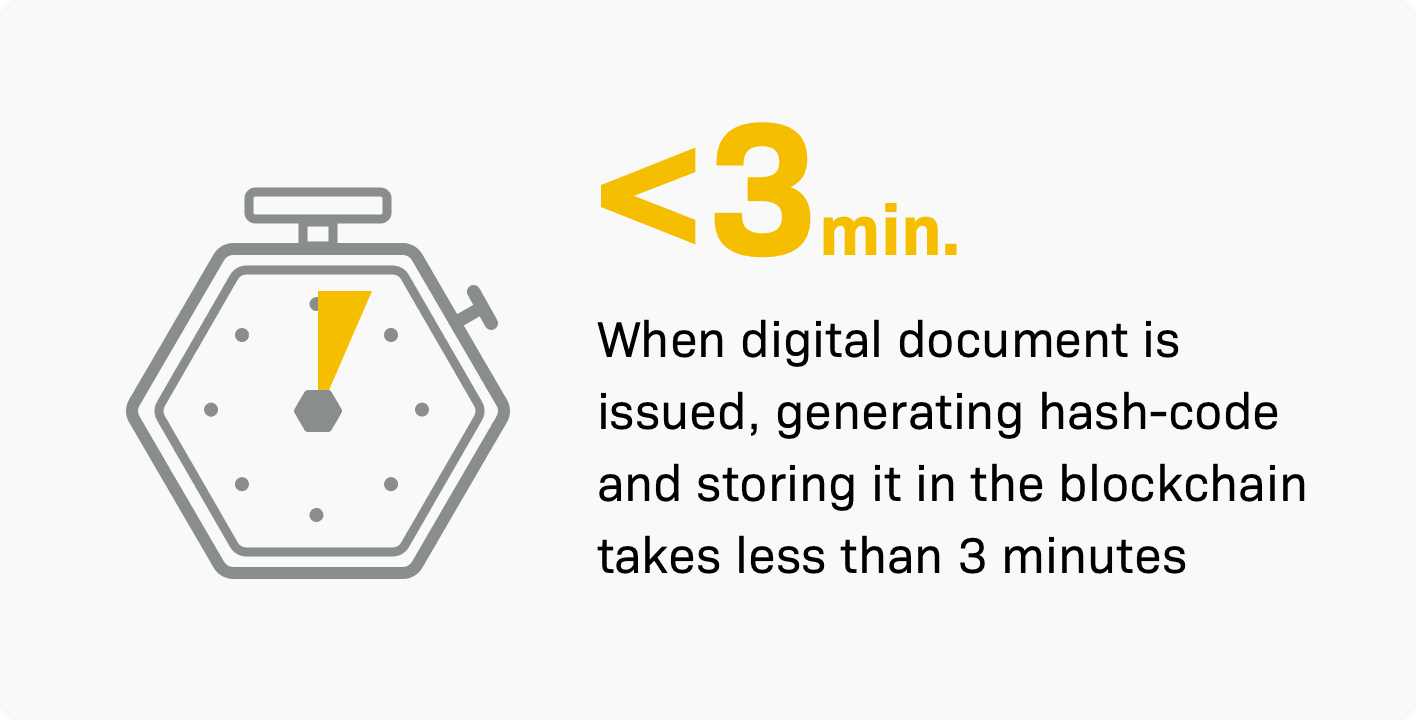
Georgia implemented blockchain technology in partnership with private sector technology firms to secure land title records. The system allowed property transactions to be verified and recorded on a blockchain platform while maintaining government oversight.
This initiative strengthened property rights and improved trust in the country’s land administration system. Georgia’s reform contributed to improvements in ease-of-doing-business rankings and increased investor confidence.
Lesson for India
Georgia demonstrates the importance of legal clarity. Blockchain records were recognized within the legal framework, ensuring that digital entries carried official authority. For India, this highlights the need for legislative reform so blockchain entries are legally binding proof of ownership.
Case Study 3: United Arab Emirates – Vision-Driven Digital Transformation

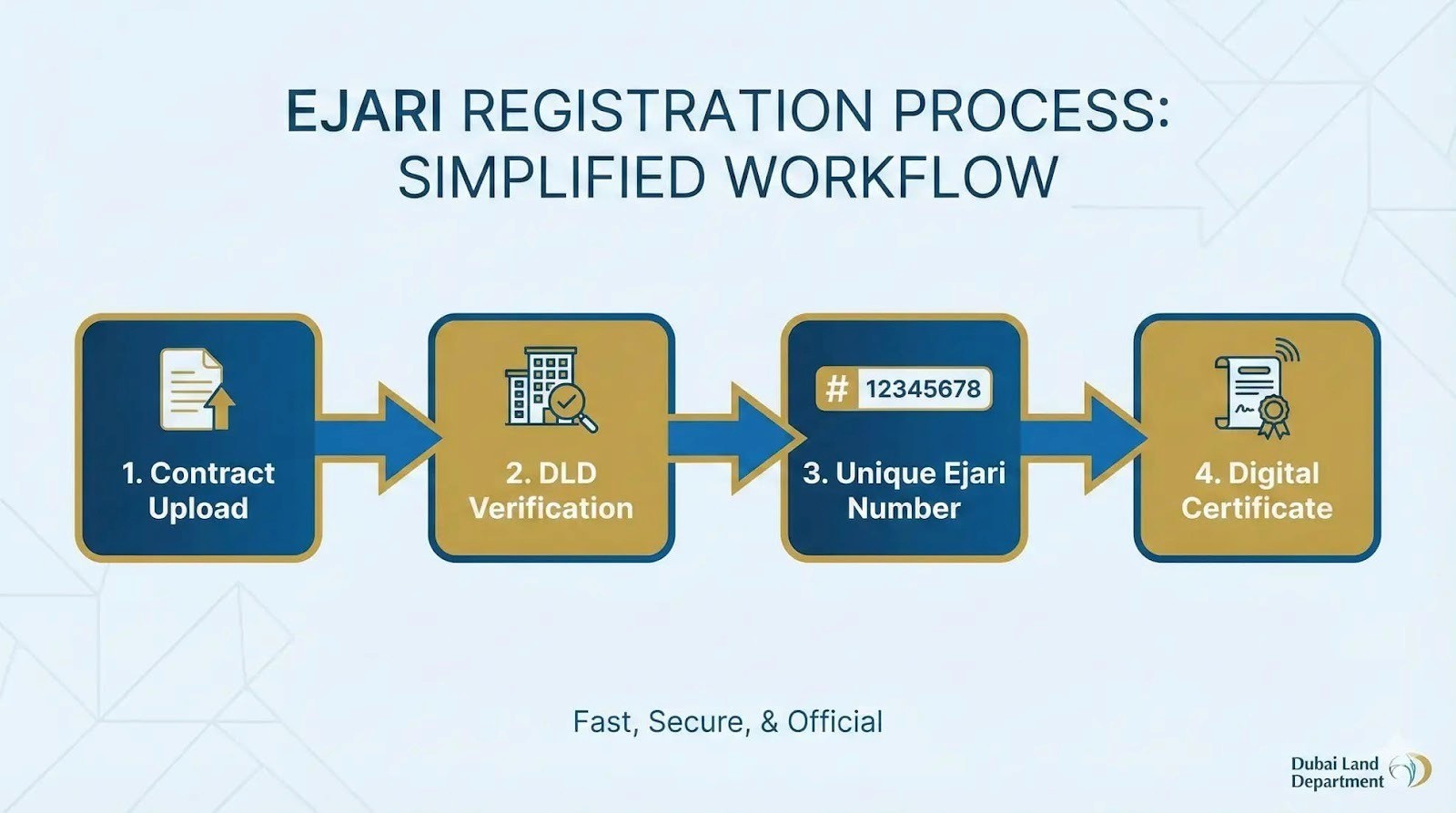
The UAE, particularly Dubai, integrated blockchain into its broader digital government strategy. The Dubai Land Department adopted blockchain to streamline property transactions and reduce paperwork.
The approach was ambitious and aligned with national digital transformation goals. Blockchain was integrated with identity verification systems and government databases to create a seamless digital property ecosystem.
Lesson for India
The UAE example shows the value of political commitment and centralized vision. Large-scale blockchain reform requires strong leadership, coordinated planning, and alignment with national digital initiatives. India can integrate blockchain land reforms with its broader digital governance strategies.
What India Can Learn from Global Blockchain Land Registries
Drawing from these case studies, several clear lessons emerge for India:
1. Start with Pilot Projects
Countries that succeeded began with limited pilots rather than nationwide implementation. India can test blockchain in selected districts or urban zones before expanding. This allows technical and legal issues to be addressed early.
2. Ensure Legal Recognition
Blockchain systems must operate within a strong legal framework. What India Can Learn from Global Blockchain Land Registries is that technology alone is not enough. Laws must clearly define blockchain entries as legally valid proof of ownership.
3. Integrate, Do Not Replace
Sweden’s approach shows that existing systems should not be discarded abruptly. India’s ongoing digitization programs can serve as the foundation, with blockchain added as a verification and security layer.
4. Build Public Trust Through Transparency
Georgia improved investor confidence by making property verification transparent and accessible. India must ensure that stakeholders, including banks and courts, have secure access to blockchain data.
5. Align with National Digital Strategy
The UAE integrated blockchain land records within its broader digital governance vision. India can connect blockchain land reforms with initiatives such as digital identity, electronic signatures, and online dispute resolution systems.
Implementation Roadmap for India
To apply What India Can Learn from Global Blockchain Land Registries effectively, India needs a structured roadmap:
Data Verification and Cleanup
Legacy land records must be verified before migration to blockchain. Uploading inaccurate data will only preserve existing disputes.Legal Reform and Policy Alignment
Amend property laws to recognize blockchain-based records as conclusive titles. Clarify dispute resolution mechanisms within the new framework.Technology Infrastructure Development
Develop secure blockchain architecture with encryption, identity verification integration, and controlled access for authorized users.Training and Capacity Building
Government officials, registry staff, and legal professionals must be trained to manage and interpret blockchain records accurately.Public Awareness Campaigns
Property owners must understand how blockchain protects their ownership rights and reduces risk.
Challenges India Must Address
India’s federal structure means land is primarily a state subject. Coordinating between central and state governments will require consensus-building and flexible implementation models. Infrastructure gaps in rural areas must also be addressed to avoid widening the digital divide.
Additionally, privacy and cybersecurity standards must remain robust. Transparency should not compromise personal data security.
Conclusion
What India Can Learn from Global Blockchain Land Registries is that successful reform requires a balanced combination of policy clarity, technological readiness, and strong governance. Sweden shows the value of gradual integration. Georgia highlights the importance of legal recognition. The UAE demonstrates the power of vision-driven digital transformation.
India’s land record challenges are complex, but they are not unique. By studying international examples and adapting lessons to local realities, India can design a blockchain-based land registry system that enhances transparency, reduces disputes, and strengthens investor confidence. The path forward is clear. Careful planning, phased implementation, and legal reform can turn global lessons into national transformation.
Introduction: What India Can Learn from Global Blockchain Land Registries
What India Can Learn from Global Blockchain Land Registries is an important policy question at a time when India is actively modernizing its land administration systems. Land disputes, unclear titles, and fragmented databases continue to affect India’s real estate and agricultural sectors. While blockchain technology offers a promising solution, successful implementation requires practical insight, not just theory. Countries like Sweden, Georgia, and the United Arab Emirates have already experimented with or deployed blockchain-based land record systems. Studying these case studies provides valuable lessons for India’s policy makers, technologists, and regulators as they consider large-scale reform.
Why Blockchain for Land Records Matters
Before examining global examples, it is important to understand why blockchain is being considered for land records in the first place. Traditional land registries often suffer from manual errors, inconsistent databases, corruption risks, and slow processing times. In countries with complex ownership histories, these problems multiply.
Blockchain introduces immutability, transparency, and decentralized verification. Each property transaction is time-stamped and permanently recorded. Once validated, it cannot be altered without consensus. This creates a secure chain of ownership that reduces fraud and increases trust.
For India, where property disputes make up a significant share of civil litigation, the benefits could be transformative. But implementation must be tailored to local legal and administrative realities.
Case Study 1: Sweden – Gradual Integration with Existing Systems
Sweden began testing blockchain for property transactions through its land registry authority, Lantmäteriet. Instead of replacing the existing system entirely, Sweden conducted pilot projects to examine how blockchain could complement traditional processes.
The Swedish model focused on digitizing contracts and integrating blockchain into transaction workflows. Smart contracts were used to automate parts of the buying process, reducing paperwork and administrative delays.
Lesson for India
Sweden’s experience shows that blockchain implementation works best when introduced gradually. India does not need to discard its current land record modernization programs. Instead, blockchain can be layered onto existing digital infrastructure, beginning with pilot districts before nationwide rollout.
Case Study 2: Georgia – Securing Property Rights Through Transparency
Georgia implemented blockchain technology in partnership with private sector technology firms to secure land title records. The system allowed property transactions to be verified and recorded on a blockchain platform while maintaining government oversight.
This initiative strengthened property rights and improved trust in the country’s land administration system. Georgia’s reform contributed to improvements in ease-of-doing-business rankings and increased investor confidence.
Lesson for India
Georgia demonstrates the importance of legal clarity. Blockchain records were recognized within the legal framework, ensuring that digital entries carried official authority. For India, this highlights the need for legislative reform so blockchain entries are legally binding proof of ownership.
Case Study 3: United Arab Emirates – Vision-Driven Digital Transformation
The UAE, particularly Dubai, integrated blockchain into its broader digital government strategy. The Dubai Land Department adopted blockchain to streamline property transactions and reduce paperwork.
The approach was ambitious and aligned with national digital transformation goals. Blockchain was integrated with identity verification systems and government databases to create a seamless digital property ecosystem.
Lesson for India
The UAE example shows the value of political commitment and centralized vision. Large-scale blockchain reform requires strong leadership, coordinated planning, and alignment with national digital initiatives. India can integrate blockchain land reforms with its broader digital governance strategies.
What India Can Learn from Global Blockchain Land Registries
Drawing from these case studies, several clear lessons emerge for India:
1. Start with Pilot Projects
Countries that succeeded began with limited pilots rather than nationwide implementation. India can test blockchain in selected districts or urban zones before expanding. This allows technical and legal issues to be addressed early.
2. Ensure Legal Recognition
Blockchain systems must operate within a strong legal framework. What India Can Learn from Global Blockchain Land Registries is that technology alone is not enough. Laws must clearly define blockchain entries as legally valid proof of ownership.
3. Integrate, Do Not Replace
Sweden’s approach shows that existing systems should not be discarded abruptly. India’s ongoing digitization programs can serve as the foundation, with blockchain added as a verification and security layer.
4. Build Public Trust Through Transparency
Georgia improved investor confidence by making property verification transparent and accessible. India must ensure that stakeholders, including banks and courts, have secure access to blockchain data.
5. Align with National Digital Strategy
The UAE integrated blockchain land records within its broader digital governance vision. India can connect blockchain land reforms with initiatives such as digital identity, electronic signatures, and online dispute resolution systems.
Implementation Roadmap for India
To apply What India Can Learn from Global Blockchain Land Registries effectively, India needs a structured roadmap:
Data Verification and Cleanup
Legacy land records must be verified before migration to blockchain. Uploading inaccurate data will only preserve existing disputes.Legal Reform and Policy Alignment
Amend property laws to recognize blockchain-based records as conclusive titles. Clarify dispute resolution mechanisms within the new framework.Technology Infrastructure Development
Develop secure blockchain architecture with encryption, identity verification integration, and controlled access for authorized users.Training and Capacity Building
Government officials, registry staff, and legal professionals must be trained to manage and interpret blockchain records accurately.Public Awareness Campaigns
Property owners must understand how blockchain protects their ownership rights and reduces risk.
Challenges India Must Address
India’s federal structure means land is primarily a state subject. Coordinating between central and state governments will require consensus-building and flexible implementation models. Infrastructure gaps in rural areas must also be addressed to avoid widening the digital divide.
Additionally, privacy and cybersecurity standards must remain robust. Transparency should not compromise personal data security.
Conclusion
What India Can Learn from Global Blockchain Land Registries is that successful reform requires a balanced combination of policy clarity, technological readiness, and strong governance. Sweden shows the value of gradual integration. Georgia highlights the importance of legal recognition. The UAE demonstrates the power of vision-driven digital transformation.
India’s land record challenges are complex, but they are not unique. By studying international examples and adapting lessons to local realities, India can design a blockchain-based land registry system that enhances transparency, reduces disputes, and strengthens investor confidence. The path forward is clear. Careful planning, phased implementation, and legal reform can turn global lessons into national transformation.
Schedule your Free Demo
Schedule your Free Demo
Empower Your Organization’s Growth with the Future of Blockchain Technology
Empower Your Organization’s Growth with the Future of Blockchain Technology
Book a Demo