Blockchain
Why India Needs a Blockchain-Based Land Records System to Unlock Frozen Real Estate Wealth
Why India Needs a Blockchain-Based Land Records System to Unlock Frozen Real Estate Wealth
Why India Needs a Blockchain-Based Land Records System to Unlock Frozen Real Estate Wealth

Introduction: How Blockchain Land Records Can Unlock Frozen Wealth in India
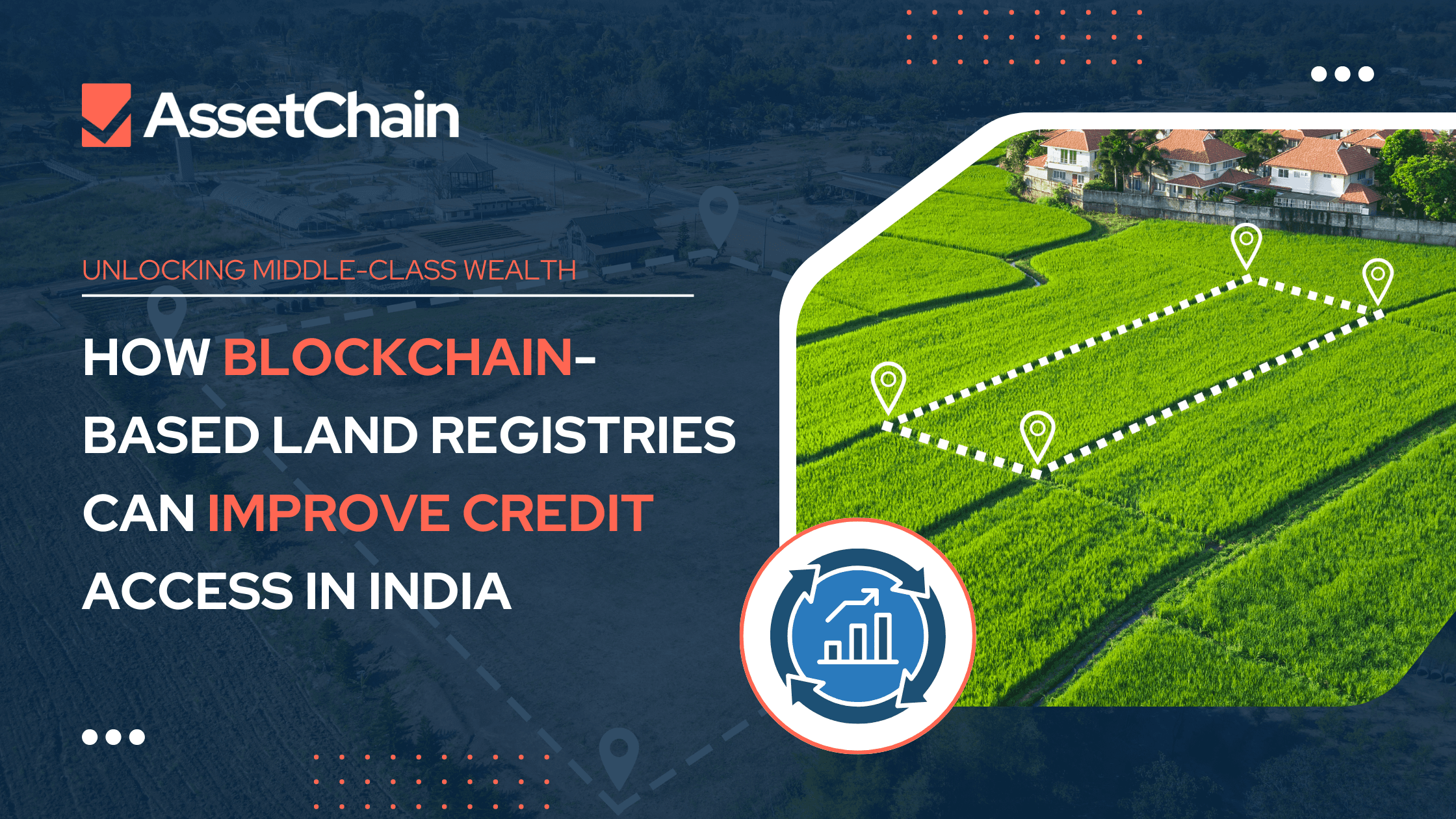
Blockchain land records can play a critical role in unlocking the vast amount of real estate wealth that remains trapped in India due to unclear titles and inefficient record systems. For millions of middle-class families, property is their largest financial asset, yet much of its potential value remains frozen because ownership records are outdated, disputed, or difficult to verify. Without clear and trusted documentation, property cannot be easily sold, mortgaged, or leveraged for business growth. A nationwide shift toward blockchain land records could transform land into active, productive wealth rather than a passive, uncertain asset.
The Problem: India’s Wealth Is Locked in Land
Real estate forms a significant portion of household wealth in India. From small urban apartments to agricultural plots in rural districts, land ownership represents security and status for families. However, ownership records often lack clarity, which reduces the true market value of property.
India follows a presumptive land title system. This means government records are not guaranteed proof of ownership. Buyers must conduct lengthy background checks, often tracing ownership back decades. Even then, risks remain. Disputes over inheritance, overlapping claims, and forged documents are common.
Because of this uncertainty, banks hesitate to issue loans without extensive scrutiny. Investors avoid properties with even minor record discrepancies. As a result, property wealth that could support entrepreneurship, education, or retirement remains underutilized. Blockchain land records offer a practical solution to this long-standing issue.
What Are Blockchain Land Records?
Blockchain land records refer to a digital, tamper-resistant ledger system where all property transactions are securely recorded and verified. Every sale, transfer, inheritance, or mortgage entry is time-stamped and stored in a decentralized system.
Unlike traditional databases controlled by a single authority, blockchain technology distributes records across multiple nodes. Once information is recorded and validated, it cannot be altered without network consensus. This makes the system transparent and resistant to fraud.
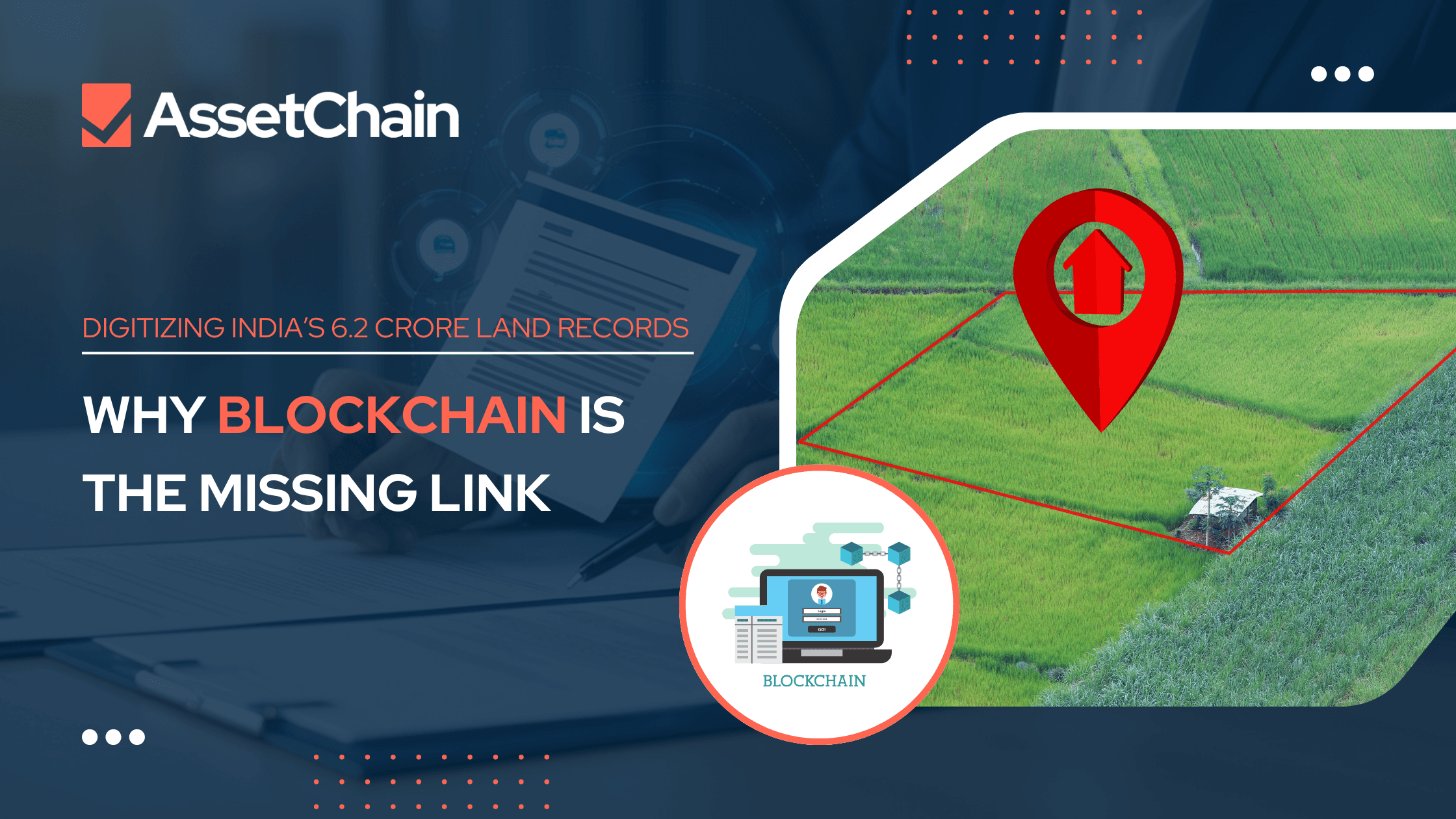
For India, implementing blockchain land records would mean integrating existing state databases into a unified, secure national framework that ensures accurate and trustworthy property documentation.
How Blockchain Land Records Unlock Middle-Class Wealth
1. Clear Titles Increase Property Value
When ownership records are transparent and legally secure, property value increases because buyers face lower risk. Blockchain land records provide a verified transaction history that strengthens buyer confidence. A clear title allows homeowners to negotiate better prices and complete transactions faster, converting uncertain assets into fully marketable property with maximum financial potential.
2. Easier Access to Bank Loans and Credit
Banks often reject or delay loan applications due to unclear land records and legal ambiguities. With blockchain land records, lenders can instantly verify ownership and transaction history. This reduces risk for financial institutions and simplifies the approval process. Middle-class homeowners could use their property as collateral for education loans, business expansion, or home improvements without unnecessary delays.
3. Reduction in Property Disputes
Legal disputes drain financial resources and freeze property transactions for years. Blockchain land records minimize disputes by ensuring every transaction is authenticated and permanently recorded. When ownership history is transparent and tamper-proof, fraudulent claims become difficult. Fewer disputes mean faster transfers and improved liquidity in the real estate market.
4. Faster Property Transactions
Property transfers in India often involve multiple visits to government offices, manual verification, and paperwork. Blockchain land records streamline this process by creating a single digital ledger accessible to authorized stakeholders. Faster transactions mean homeowners can convert property into cash quickly when needed, making real estate a more flexible financial asset.
5. Boosting Investor Confidence and Market Growth
Domestic and international investors hesitate to enter markets where land records lack clarity. Blockchain land records increase transparency and reduce perceived risk. A trustworthy system encourages investment in housing, commercial development, and infrastructure. Increased investment strengthens the overall real estate ecosystem and raises property demand, benefiting middle-class property owners.
Economic Impact Beyond Individuals
The impact of blockchain land records goes beyond individual homeowners. A transparent and efficient land record system strengthens India’s broader economy.
When property becomes easier to verify and transfer, transaction costs decrease. Reduced litigation frees up court resources. Banks can expand secured lending. Entrepreneurs gain access to capital backed by verified land assets. Over time, this leads to higher economic activity and stronger financial inclusion.
For a growing economy like India, unlocking frozen real estate wealth can significantly contribute to GDP growth. Land should not sit idle due to administrative inefficiencies.
Addressing Implementation Challenges
While the benefits are clear, transitioning to blockchain land records requires coordinated effort. Land is a state subject in India, meaning reforms must involve state governments. Existing digital programs like the Digital India Land Records Modernization Programme provide a foundation that can be enhanced through blockchain integration.
Legal recognition is essential. Blockchain entries must be considered legally binding proof of ownership to truly unlock wealth. Without legislative reform, technology alone cannot resolve title uncertainty.
Data security and privacy must also be prioritized. Although blockchain systems are secure, personal information linked to property ownership must be protected with strict access controls and encryption.
Phased implementation through pilot projects can help test the system, build public trust, and refine operational processes before nationwide adoption.
Why the Middle Class Stands to Benefit the Most
India’s middle class relies heavily on property as its primary asset. Unlike wealthy investors who diversify across financial markets, most middle-class families invest their savings in homes or small plots of land. When ownership records are unclear, their entire financial security becomes vulnerable.
Blockchain land records provide certainty. Certainty translates into financial flexibility. A verified and easily transferable property becomes a tool for upward mobility rather than a static possession.
For example, a family wanting to start a small manufacturing unit could mortgage a clearly titled property without fear of future disputes. A retiree could sell property smoothly without years of legal complications. These everyday scenarios illustrate how unlocking frozen wealth directly improves living standards.
The Road Ahead
India’s digital transformation journey has already reshaped banking, taxation, and identity verification. Extending this transformation to land administration through blockchain land records is a logical next step.
By creating transparent, immutable, and legally recognized property records, India can unlock billions of dollars in dormant real estate wealth. This reform would strengthen middle-class financial security, improve credit access, reduce litigation, and stimulate economic growth.
In conclusion, blockchain land records are not just a technological upgrade. They represent a structural reform that can activate India’s largest asset class. Unlocking frozen real estate wealth begins with trusted ownership records, and blockchain offers a practical path toward that goal.
Introduction: How Blockchain Land Records Can Unlock Frozen Wealth in India
Blockchain land records can play a critical role in unlocking the vast amount of real estate wealth that remains trapped in India due to unclear titles and inefficient record systems. For millions of middle-class families, property is their largest financial asset, yet much of its potential value remains frozen because ownership records are outdated, disputed, or difficult to verify. Without clear and trusted documentation, property cannot be easily sold, mortgaged, or leveraged for business growth. A nationwide shift toward blockchain land records could transform land into active, productive wealth rather than a passive, uncertain asset.
The Problem: India’s Wealth Is Locked in Land
Real estate forms a significant portion of household wealth in India. From small urban apartments to agricultural plots in rural districts, land ownership represents security and status for families. However, ownership records often lack clarity, which reduces the true market value of property.
India follows a presumptive land title system. This means government records are not guaranteed proof of ownership. Buyers must conduct lengthy background checks, often tracing ownership back decades. Even then, risks remain. Disputes over inheritance, overlapping claims, and forged documents are common.
Because of this uncertainty, banks hesitate to issue loans without extensive scrutiny. Investors avoid properties with even minor record discrepancies. As a result, property wealth that could support entrepreneurship, education, or retirement remains underutilized. Blockchain land records offer a practical solution to this long-standing issue.
What Are Blockchain Land Records?
Blockchain land records refer to a digital, tamper-resistant ledger system where all property transactions are securely recorded and verified. Every sale, transfer, inheritance, or mortgage entry is time-stamped and stored in a decentralized system.
Unlike traditional databases controlled by a single authority, blockchain technology distributes records across multiple nodes. Once information is recorded and validated, it cannot be altered without network consensus. This makes the system transparent and resistant to fraud.
For India, implementing blockchain land records would mean integrating existing state databases into a unified, secure national framework that ensures accurate and trustworthy property documentation.
How Blockchain Land Records Unlock Middle-Class Wealth
1. Clear Titles Increase Property Value
When ownership records are transparent and legally secure, property value increases because buyers face lower risk. Blockchain land records provide a verified transaction history that strengthens buyer confidence. A clear title allows homeowners to negotiate better prices and complete transactions faster, converting uncertain assets into fully marketable property with maximum financial potential.
2. Easier Access to Bank Loans and Credit
Banks often reject or delay loan applications due to unclear land records and legal ambiguities. With blockchain land records, lenders can instantly verify ownership and transaction history. This reduces risk for financial institutions and simplifies the approval process. Middle-class homeowners could use their property as collateral for education loans, business expansion, or home improvements without unnecessary delays.
3. Reduction in Property Disputes
Legal disputes drain financial resources and freeze property transactions for years. Blockchain land records minimize disputes by ensuring every transaction is authenticated and permanently recorded. When ownership history is transparent and tamper-proof, fraudulent claims become difficult. Fewer disputes mean faster transfers and improved liquidity in the real estate market.
4. Faster Property Transactions
Property transfers in India often involve multiple visits to government offices, manual verification, and paperwork. Blockchain land records streamline this process by creating a single digital ledger accessible to authorized stakeholders. Faster transactions mean homeowners can convert property into cash quickly when needed, making real estate a more flexible financial asset.
5. Boosting Investor Confidence and Market Growth
Domestic and international investors hesitate to enter markets where land records lack clarity. Blockchain land records increase transparency and reduce perceived risk. A trustworthy system encourages investment in housing, commercial development, and infrastructure. Increased investment strengthens the overall real estate ecosystem and raises property demand, benefiting middle-class property owners.
Economic Impact Beyond Individuals
The impact of blockchain land records goes beyond individual homeowners. A transparent and efficient land record system strengthens India’s broader economy.
When property becomes easier to verify and transfer, transaction costs decrease. Reduced litigation frees up court resources. Banks can expand secured lending. Entrepreneurs gain access to capital backed by verified land assets. Over time, this leads to higher economic activity and stronger financial inclusion.
For a growing economy like India, unlocking frozen real estate wealth can significantly contribute to GDP growth. Land should not sit idle due to administrative inefficiencies.
Addressing Implementation Challenges
While the benefits are clear, transitioning to blockchain land records requires coordinated effort. Land is a state subject in India, meaning reforms must involve state governments. Existing digital programs like the Digital India Land Records Modernization Programme provide a foundation that can be enhanced through blockchain integration.
Legal recognition is essential. Blockchain entries must be considered legally binding proof of ownership to truly unlock wealth. Without legislative reform, technology alone cannot resolve title uncertainty.
Data security and privacy must also be prioritized. Although blockchain systems are secure, personal information linked to property ownership must be protected with strict access controls and encryption.
Phased implementation through pilot projects can help test the system, build public trust, and refine operational processes before nationwide adoption.
Why the Middle Class Stands to Benefit the Most
India’s middle class relies heavily on property as its primary asset. Unlike wealthy investors who diversify across financial markets, most middle-class families invest their savings in homes or small plots of land. When ownership records are unclear, their entire financial security becomes vulnerable.
Blockchain land records provide certainty. Certainty translates into financial flexibility. A verified and easily transferable property becomes a tool for upward mobility rather than a static possession.
For example, a family wanting to start a small manufacturing unit could mortgage a clearly titled property without fear of future disputes. A retiree could sell property smoothly without years of legal complications. These everyday scenarios illustrate how unlocking frozen wealth directly improves living standards.
The Road Ahead
India’s digital transformation journey has already reshaped banking, taxation, and identity verification. Extending this transformation to land administration through blockchain land records is a logical next step.
By creating transparent, immutable, and legally recognized property records, India can unlock billions of dollars in dormant real estate wealth. This reform would strengthen middle-class financial security, improve credit access, reduce litigation, and stimulate economic growth.
In conclusion, blockchain land records are not just a technological upgrade. They represent a structural reform that can activate India’s largest asset class. Unlocking frozen real estate wealth begins with trusted ownership records, and blockchain offers a practical path toward that goal.
Schedule your Free Demo
Schedule your Free Demo
Empower Your Organization’s Growth with the Future of Blockchain Technology
Empower Your Organization’s Growth with the Future of Blockchain Technology
Book a Demo